
Flat Roofing
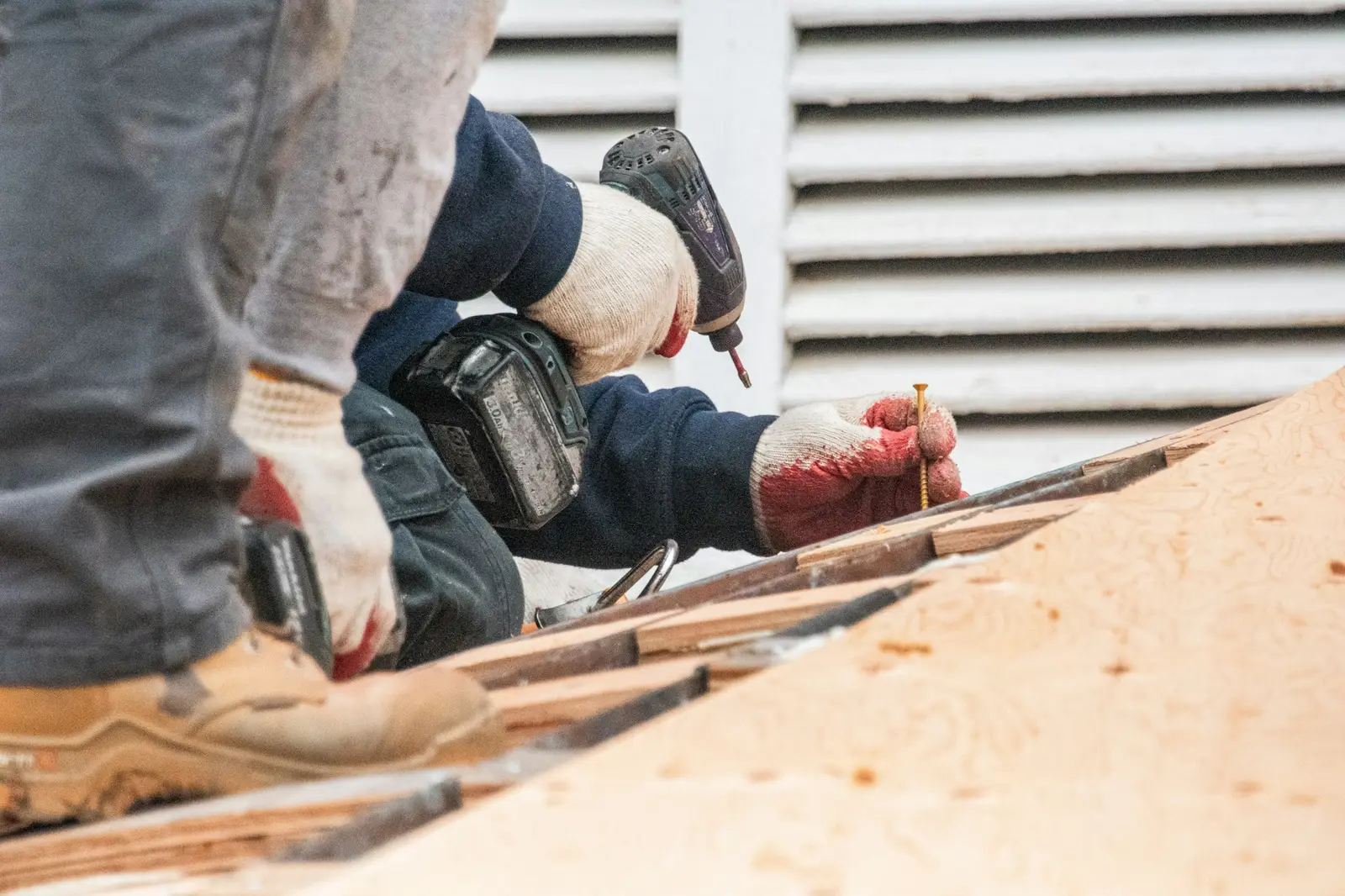
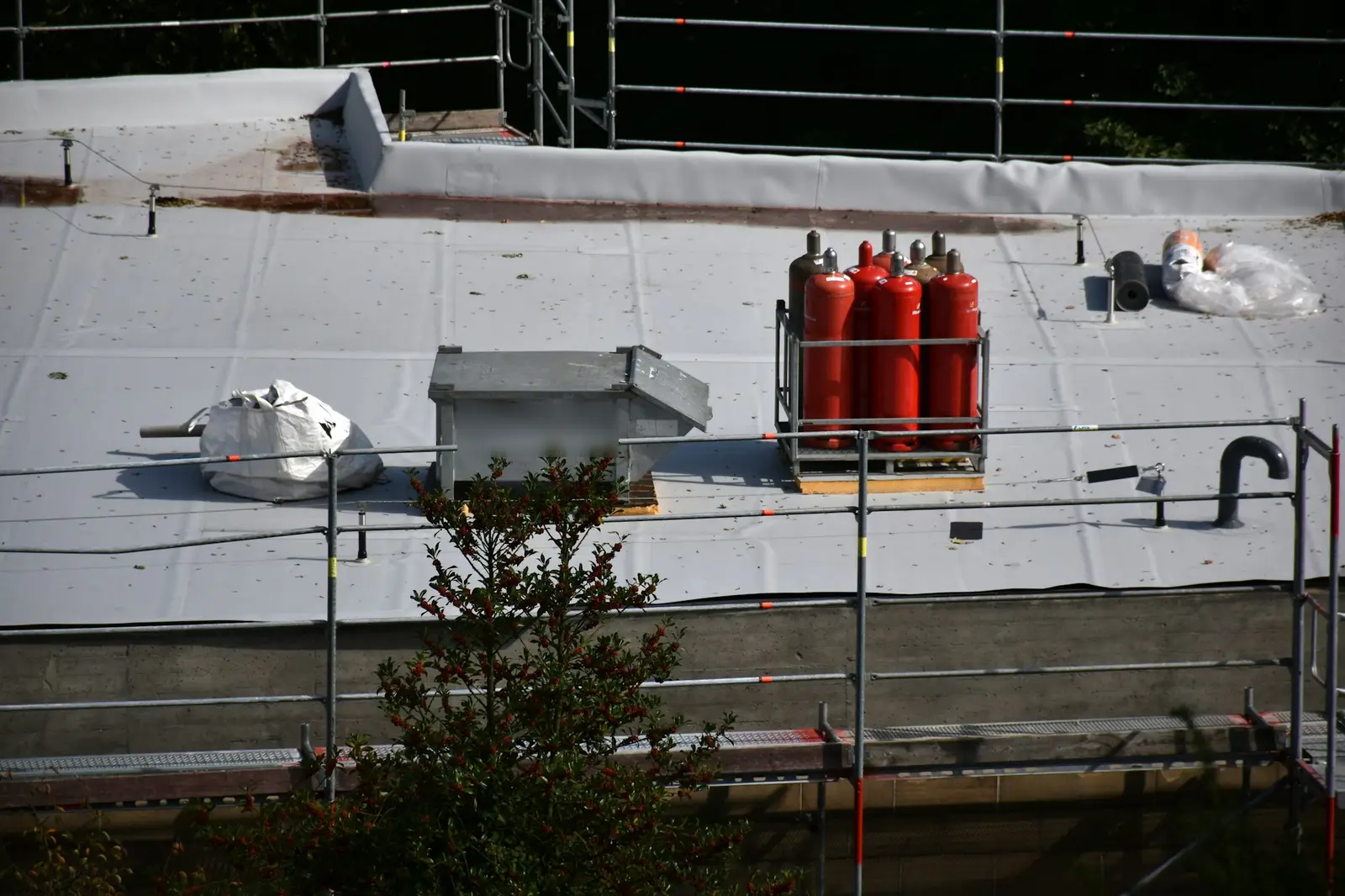
Torch-down roofing for flat and low-slope roofs, with heat-sealed seams.
View service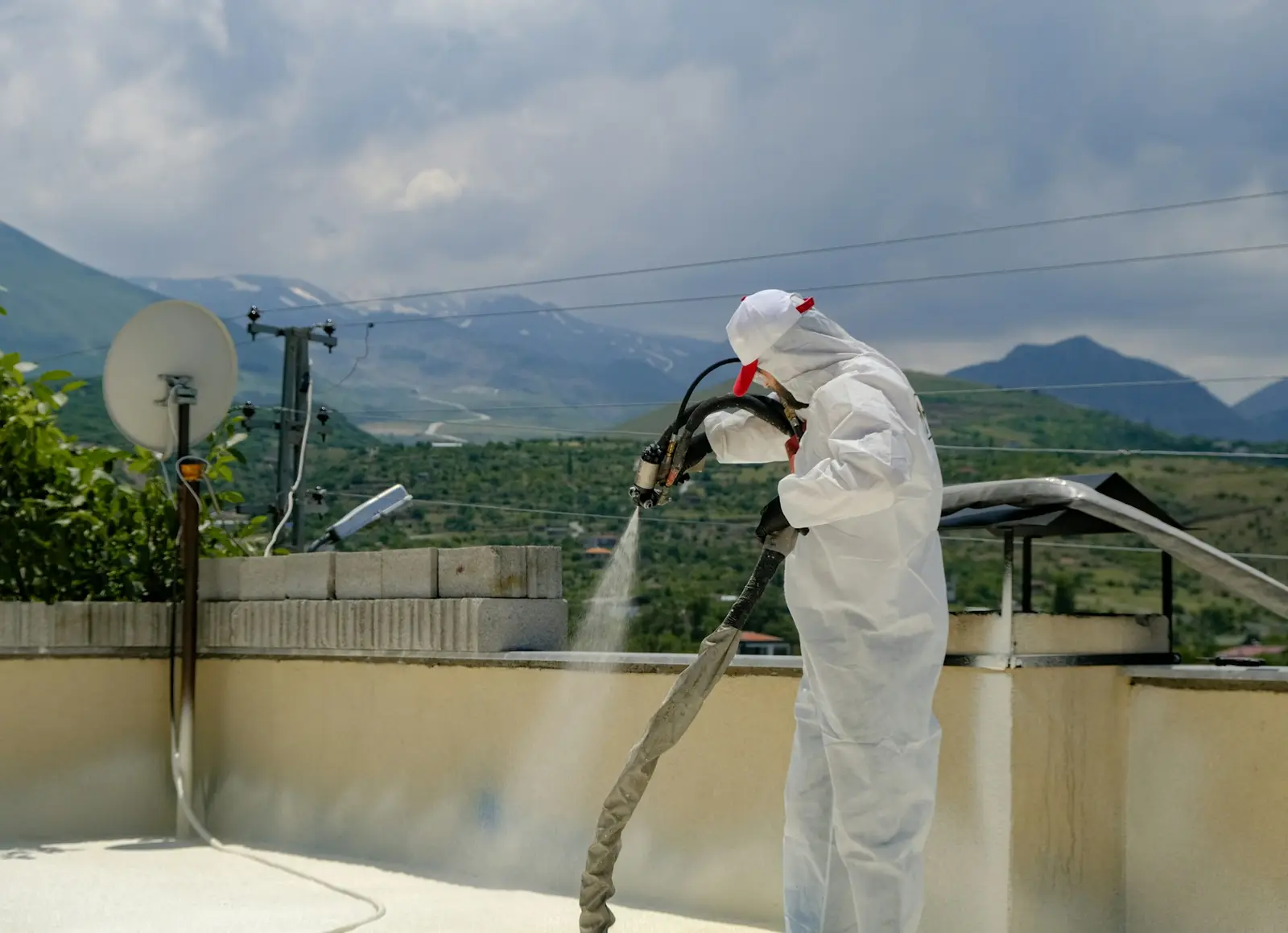
CSLB License #1162060 · Based in Imperial Beach, CA
Silicone roof coatings: a liquid layer applied over a sound flat or low-slope roof.
CSLB License #1162060 · Bonded · Based in Imperial Beach, CA
The service
A silicone roof coating is applied as a liquid over an existing roof and cures into a continuous layer with no seams. It is used on flat and low-slope roofs.
A coating is only as good as the roof under it. The surface has to be cleaned, problem spots repaired and seams and openings treated before the coating goes on. A roof that is wet or failing underneath needs that fixed first.
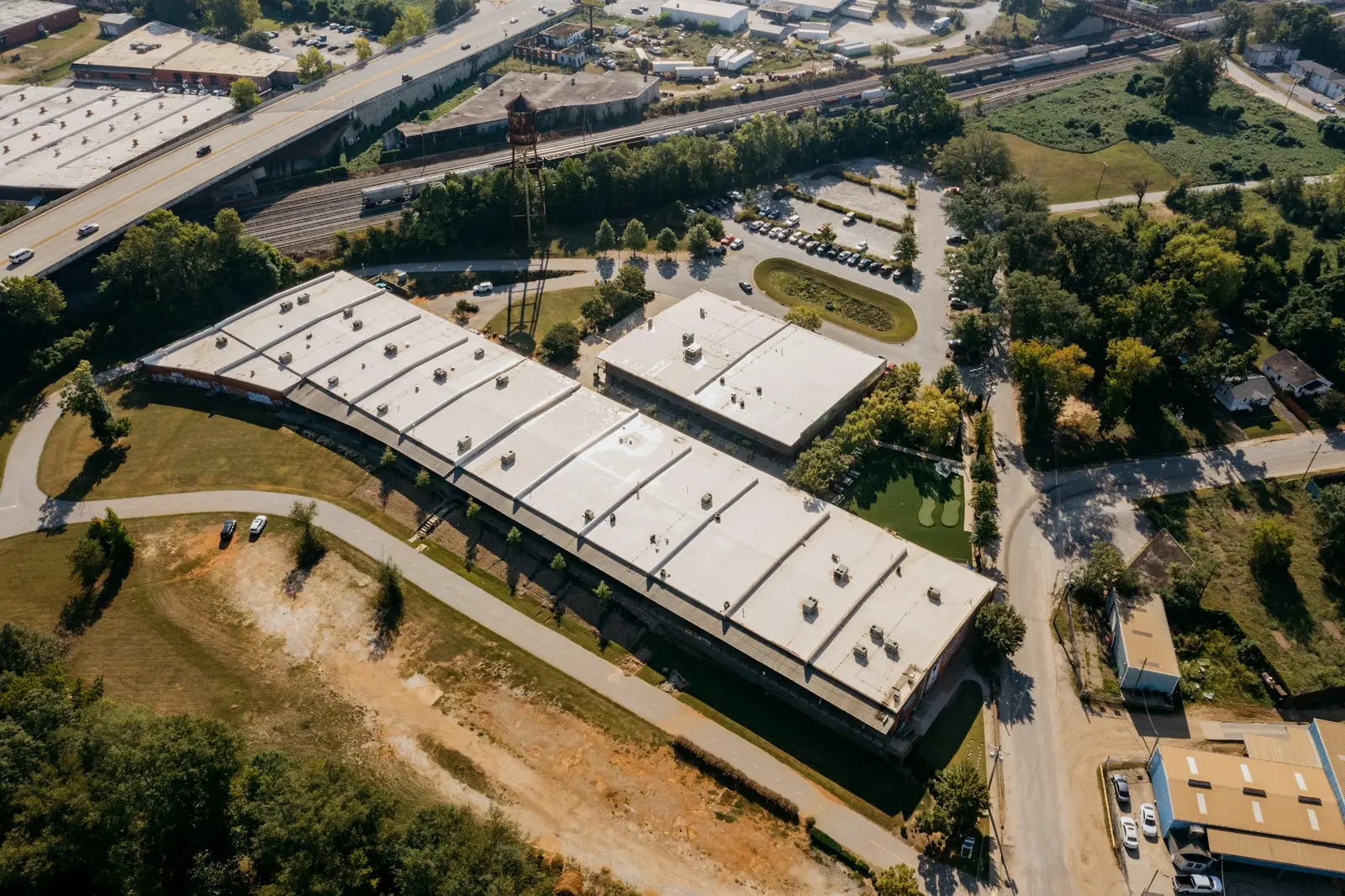
Flat residential roofs
Coating over a flat roof that is still sound.
Commercial roofs
Coating large low-slope roof areas.
Garages and patio covers
Smaller flat roofs around the house.
Prep and repairs
Seams, openings and worn spots fixed before coating.
What goes on
Most of a coating job happens before the coating. The roof is checked, cleaned and repaired, then the silicone goes on as the final layer.
1. Existing roof
The flat roof already in place, which has to be sound.
2. Cleaned surface
Dirt and loose material removed so the coating can bond.
3. Seam and detail work
Seams, edges and openings treated before the main coat.
4. Silicone coating
Applied as a liquid and cured into one seamless layer.
Planning
No two roofs are the same. These are the things that change how roof coatings work is planned.
Nothing here is required. A few of these help us understand the roof.
Photos and questions can go straight to (619) 707-6224 by call or text.
What's involved
Every roof is different. This is the general order of the work, and we go over the specifics for your roof with you.
We look at the roof to see whether it is a candidate for coating or needs repair or replacement first.
Dirt and loose material come off so the coating can bond to the roof.
Problem spots are repaired and seams, edges and openings are treated.
The silicone is applied over the roof and left to cure into one continuous layer.
It puts a seamless, waterproof layer over the existing roof surface. Light-colored coatings also reflect sunlight off the roof.
No. Coatings go on flat and low-slope roofs that are still sound underneath. If the roof is wet below the surface or badly worn, it needs repair or replacement before a coating makes sense.
Silicone is one of several coating types. It is commonly chosen for flat roofs where water can sit for a while after rain. We can talk through what suits your roof.
Call or text (619) 707-6224, or send a request through the estimate form. Tell us about the roof and what is going on with it.
More services
Estimate
Tell us what you have in mind. Prefer to talk? Call or text (619) 707-6224.
Tell us about the project.