
Roof Repair & Maintenance
Leaks, damaged shingles or tile, flashing and flat roof trouble spots.
View service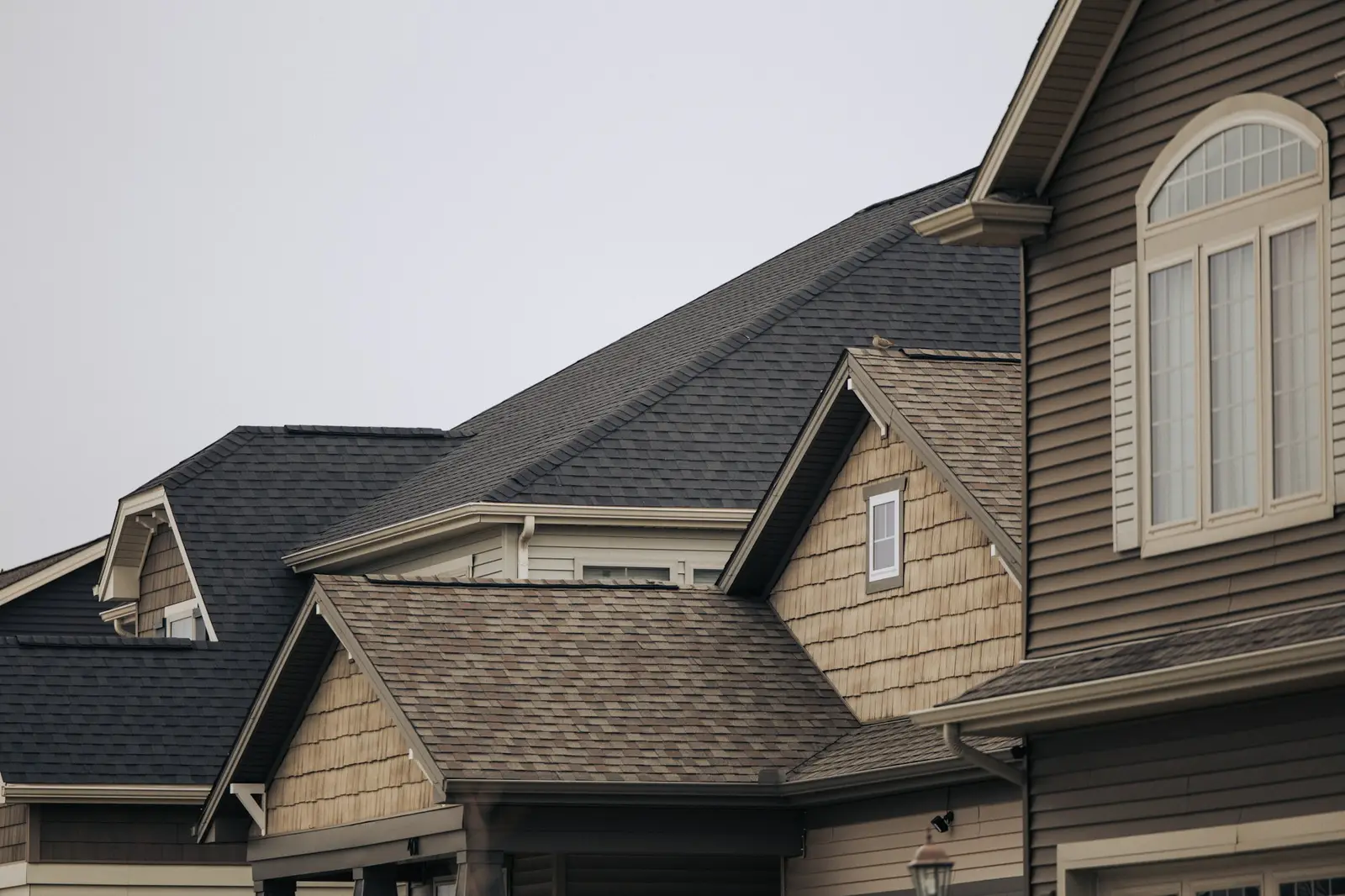
CSLB License #1162060 · Based in Imperial Beach, CA
Asphalt shingle roofs for homes, laid in overlapping courses over a solid roof deck and underlayment.
CSLB License #1162060 · Bonded · Based in Imperial Beach, CA
The service
A shingle roof sheds water by overlapping. Each course of shingles covers the nails and the joints of the course below it, starting at the eave and working up to the ridge.
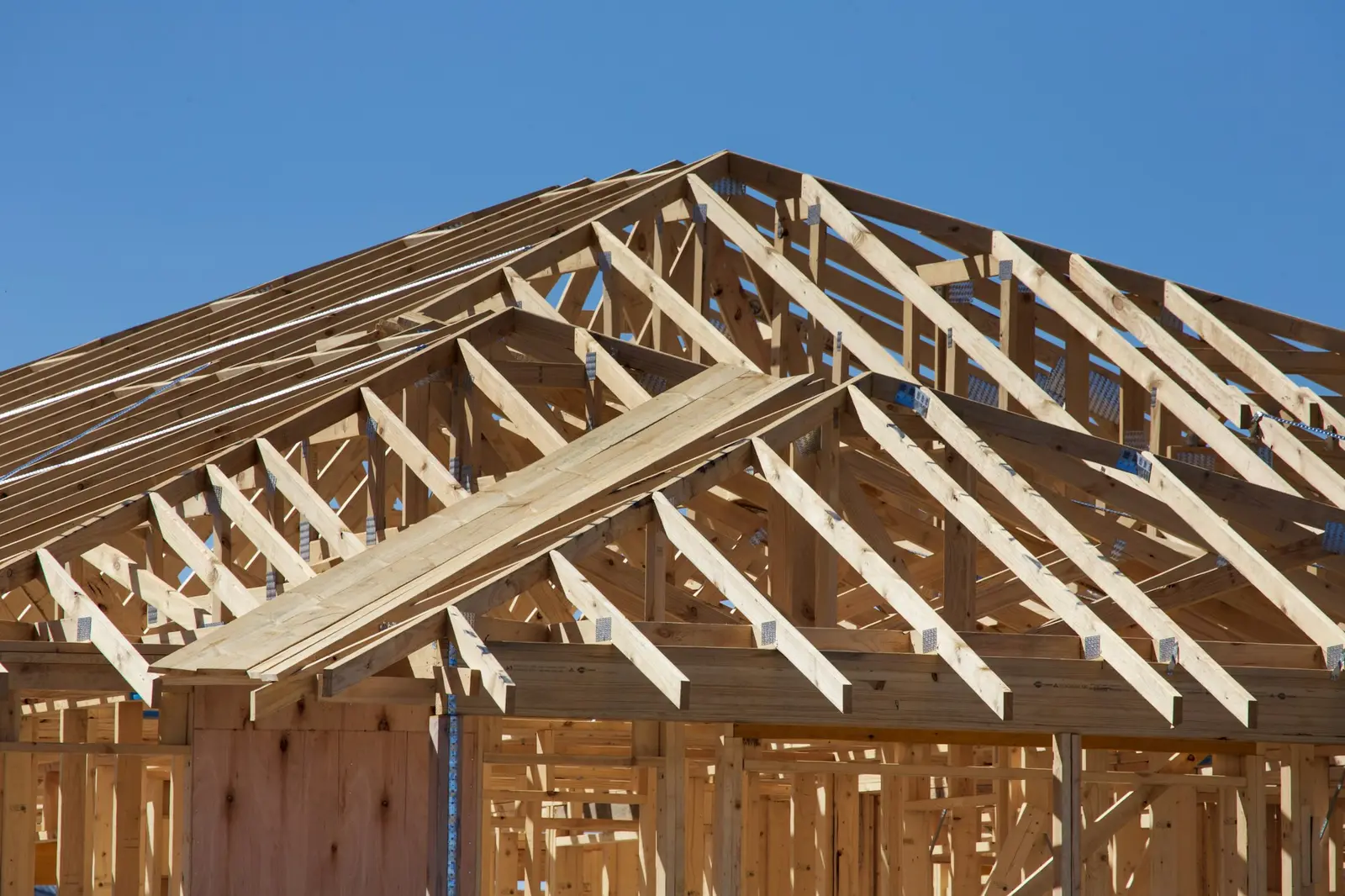
What you see is only the top layer. Under the shingles is underlayment, and under that is the roof deck. Flashing and drip edge close up the places where the roof meets an edge, a wall or something that passes through it.
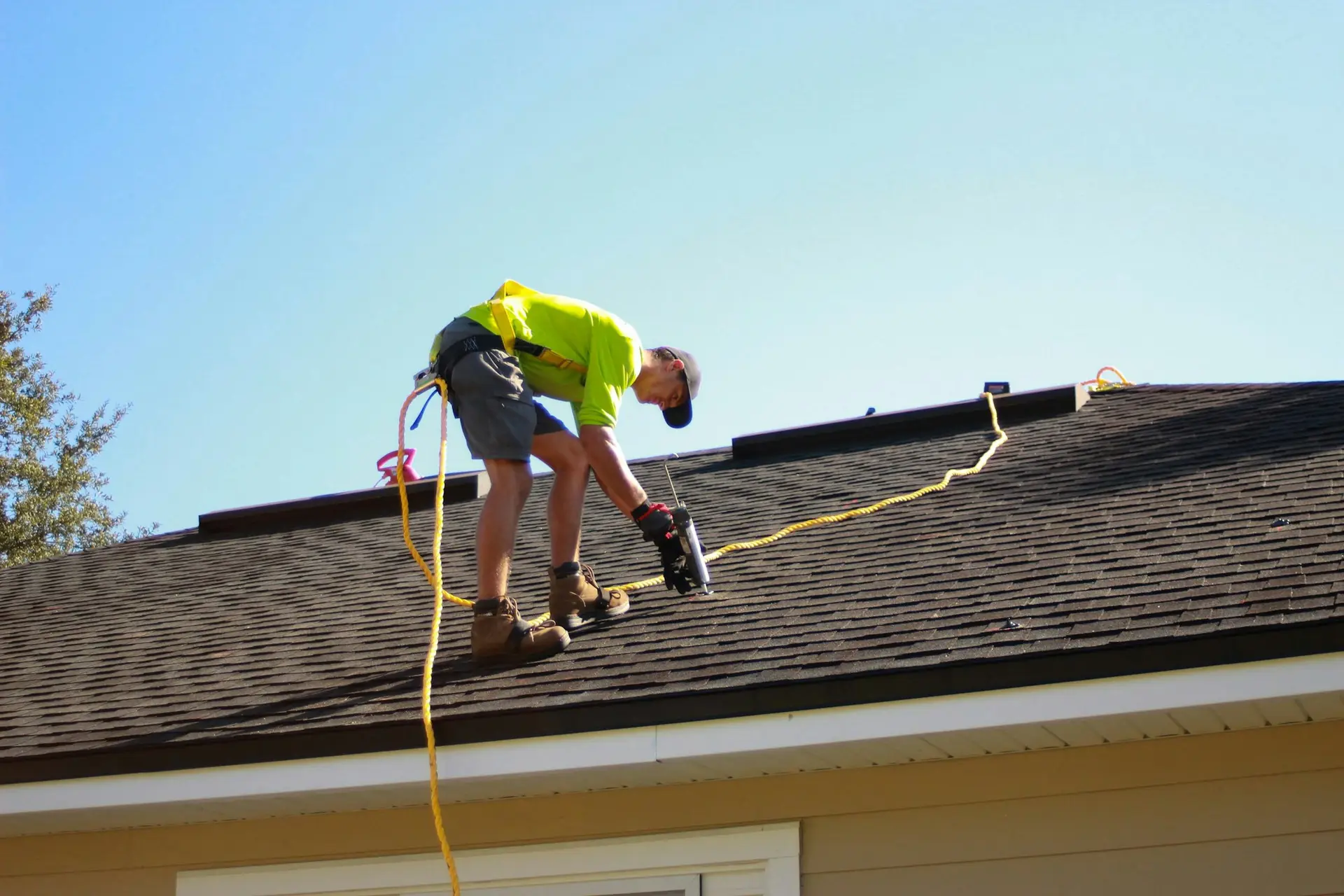
Shingle reroofs
The old shingles come off and a new shingle roof goes on.
New shingle roofs
Shingles over a new roof deck on an addition or new build.
Garages and additions
Smaller sloped roofs that match the main house.
Shingle repairs
Missing, lifted or damaged shingles in one area.
How it sheds water
A shingle roof works by overlap, from the drip edge at the eave to the cap at the ridge. Here are the pieces, in the order they go on.
1. Roof deck
The wood sheathing over the rafters. Everything else is fastened to it.
2. Underlayment
A water-resistant layer rolled over the deck before the shingles.
3. Drip edge
Metal edging at the eave that guides water off the roof and away from the fascia.
4. Starter course
The first row at the eave, which seals the bottom edge.
5. Shingle courses
Rows laid from the eave up, each one covering the nails of the row below.
6. Ridge cap
Shingles folded over the peak to close the top of the roof.
Planning
No two roofs are the same. These are the things that change how shingle roofing work is planned.
Nothing here is required. A few of these help us understand the roof.
Photos and questions can go straight to (619) 707-6224 by call or text.
What's involved
Every roof is different. This is the general order of the work, and we go over the specifics for your roof with you.
We look at the shingles, the flashing, the edges and the deck where it can be seen, and talk through what the roof needs.
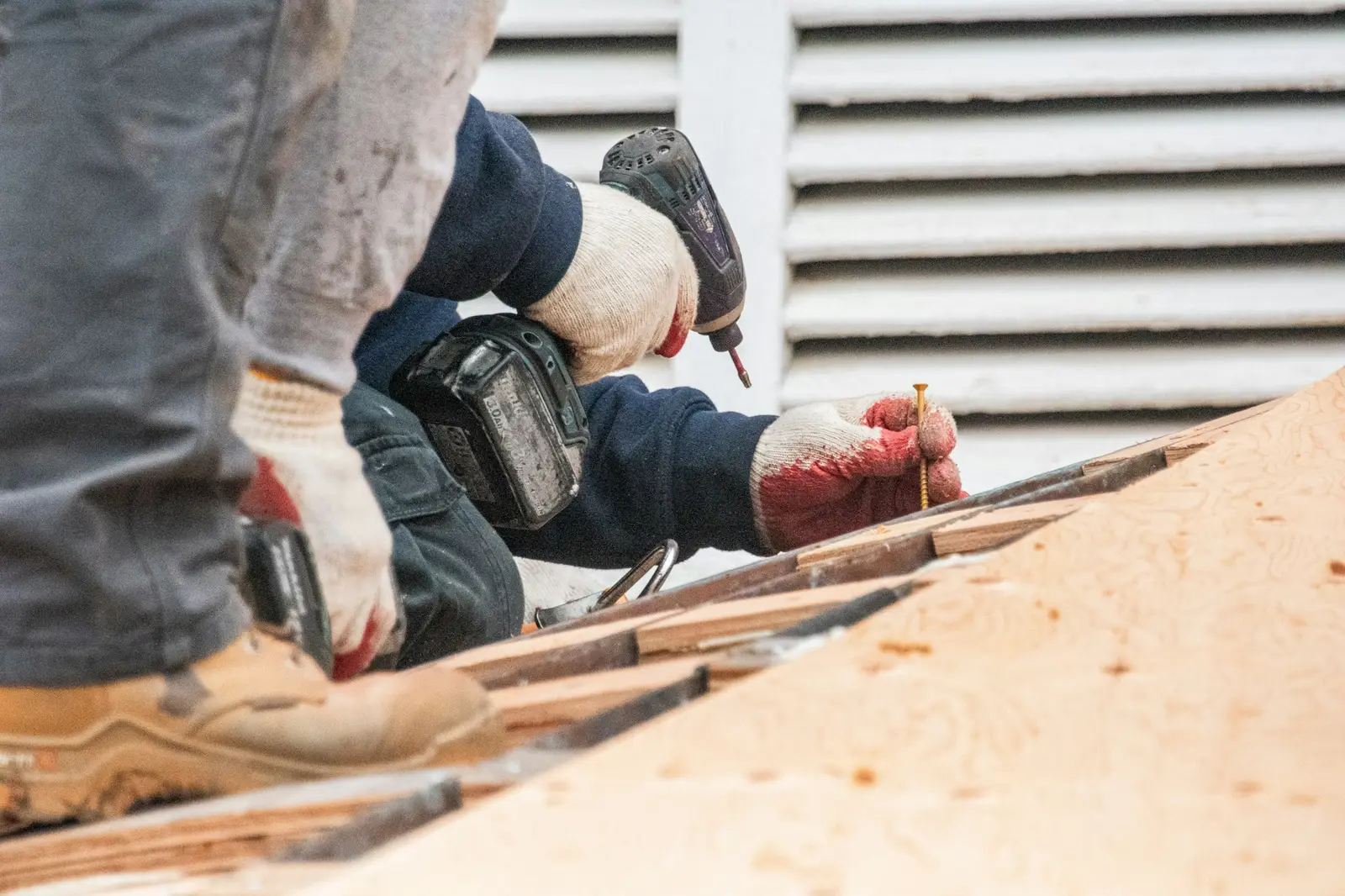
On a reroof the old shingles come off. Any soft or damaged deck boards are found and dealt with before anything new goes down.
Underlayment covers the deck. Drip edge goes on at the eaves and rakes, and flashing goes in at walls, valleys and anything that passes through the roof.
Shingles are laid course by course from the eave up, then capped at the ridge and hips.
Underlayment, and under that, the roof deck: the wood sheathing the whole roof is nailed to. Flashing and drip edge finish the edges and the spots where the roof meets a wall or a pipe.
Sometimes a second layer is allowed, but a tear-off lets the deck be seen and fixed before the new roof goes on. We can talk through which applies to your roof.
Wind, age or nails that have backed out can lift shingles. A few missing shingles can often be repaired. Widespread wear across the roof usually points toward a reroof.
Call or text (619) 707-6224, or send a request through the estimate form. Tell us about the roof and what is going on with it.
More services
Estimate
Tell us what you have in mind. Prefer to talk? Call or text (619) 707-6224.
Tell us about the project.